
Experimentation Trials of Using Bee as Eco-deterrent for Crop Raiding Elephant in Central Nepal:
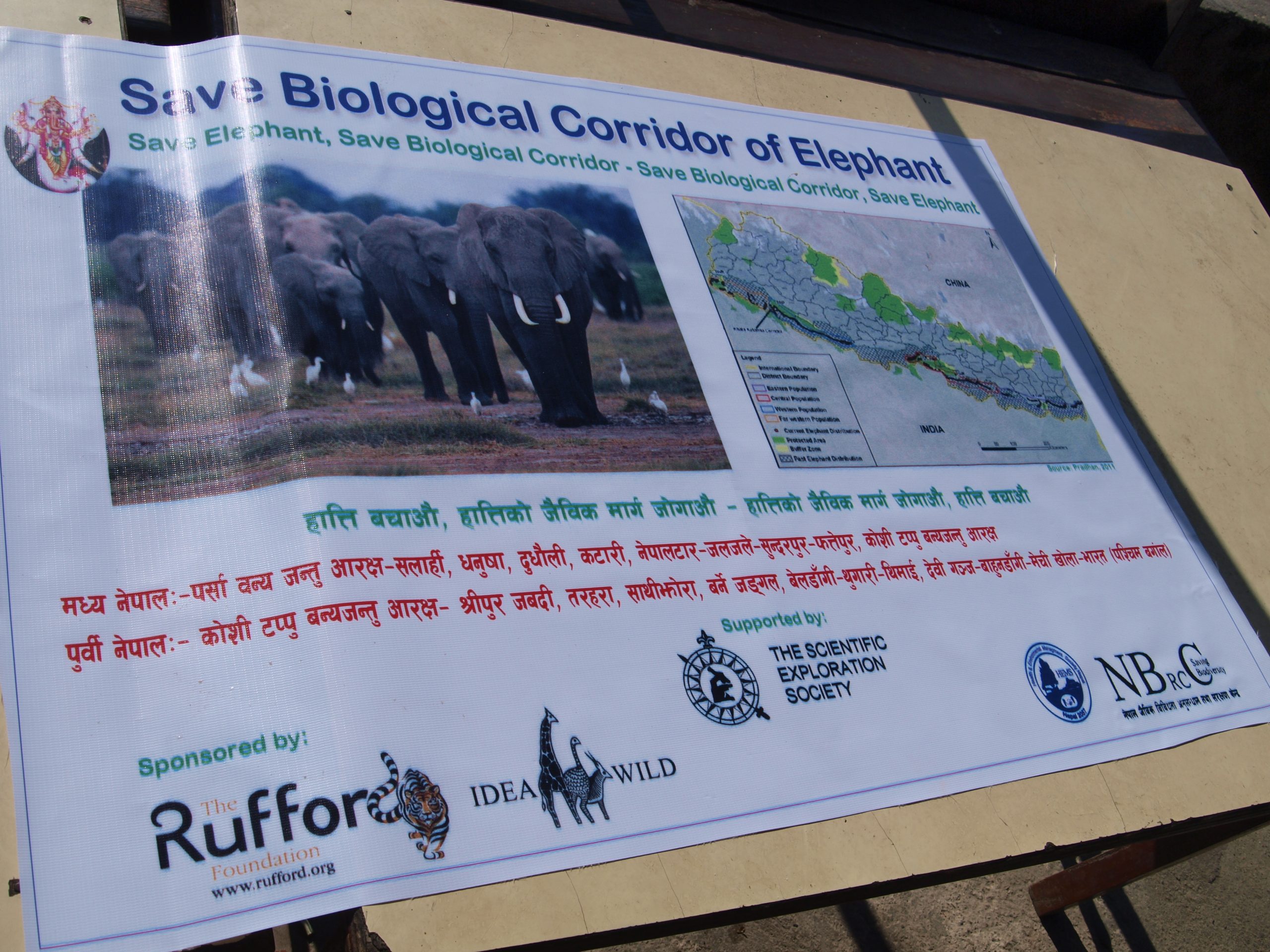
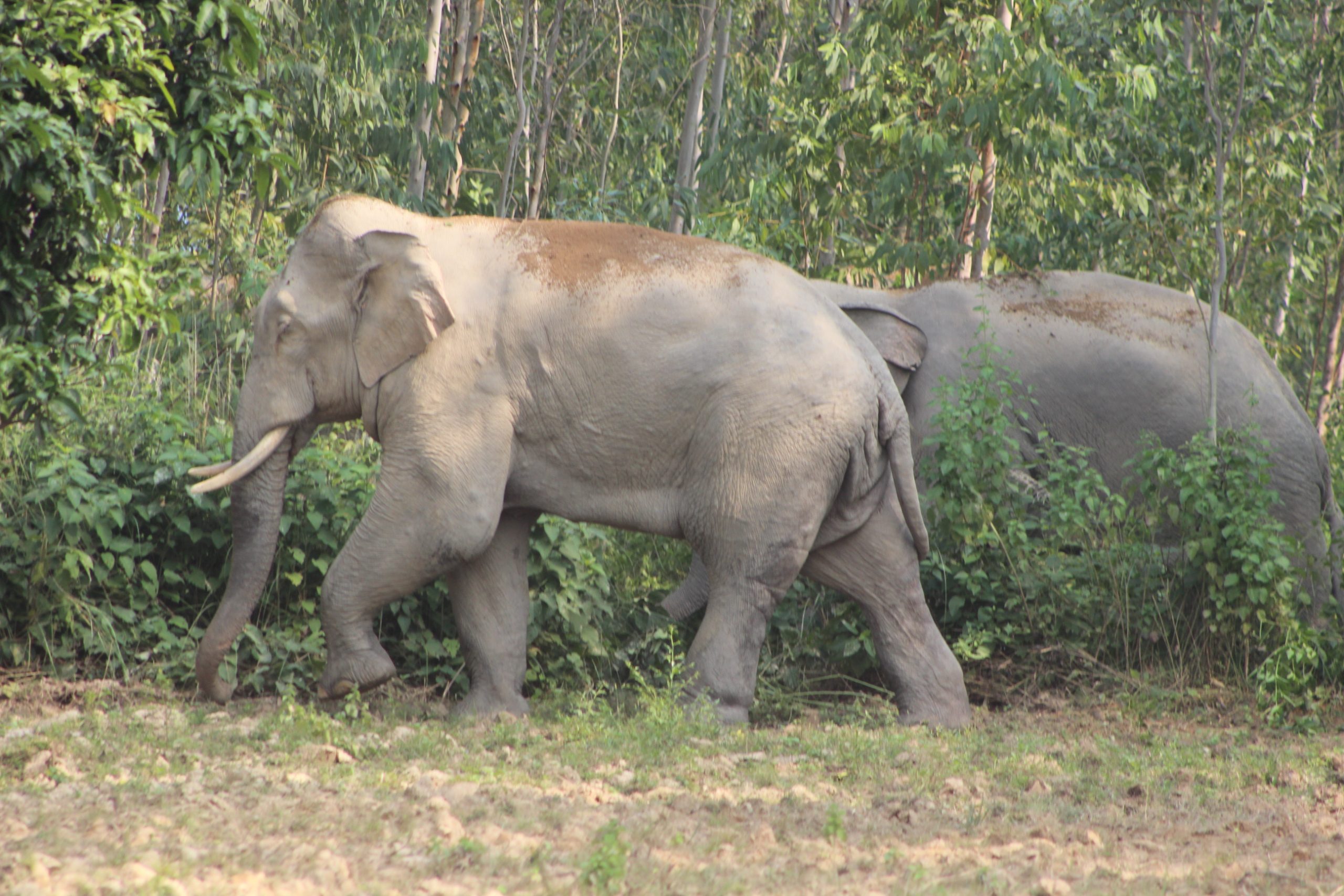
Parsa National Park is a protected area in the inner terai lowlands of South- Central Nepal adjacent to Chitwan National Park which holds about 20-35 elephant. The bee project was implemented in Ganesh Tole of Nijgadh Municipality of Bara district in Central Nepal. This area had regular visit of elephant of Parsa National Park and has been a hotspot of Human Elephant Conflict as it was the most suitable habitat from previous geospatial study done by Roshan Kumar Thakur.
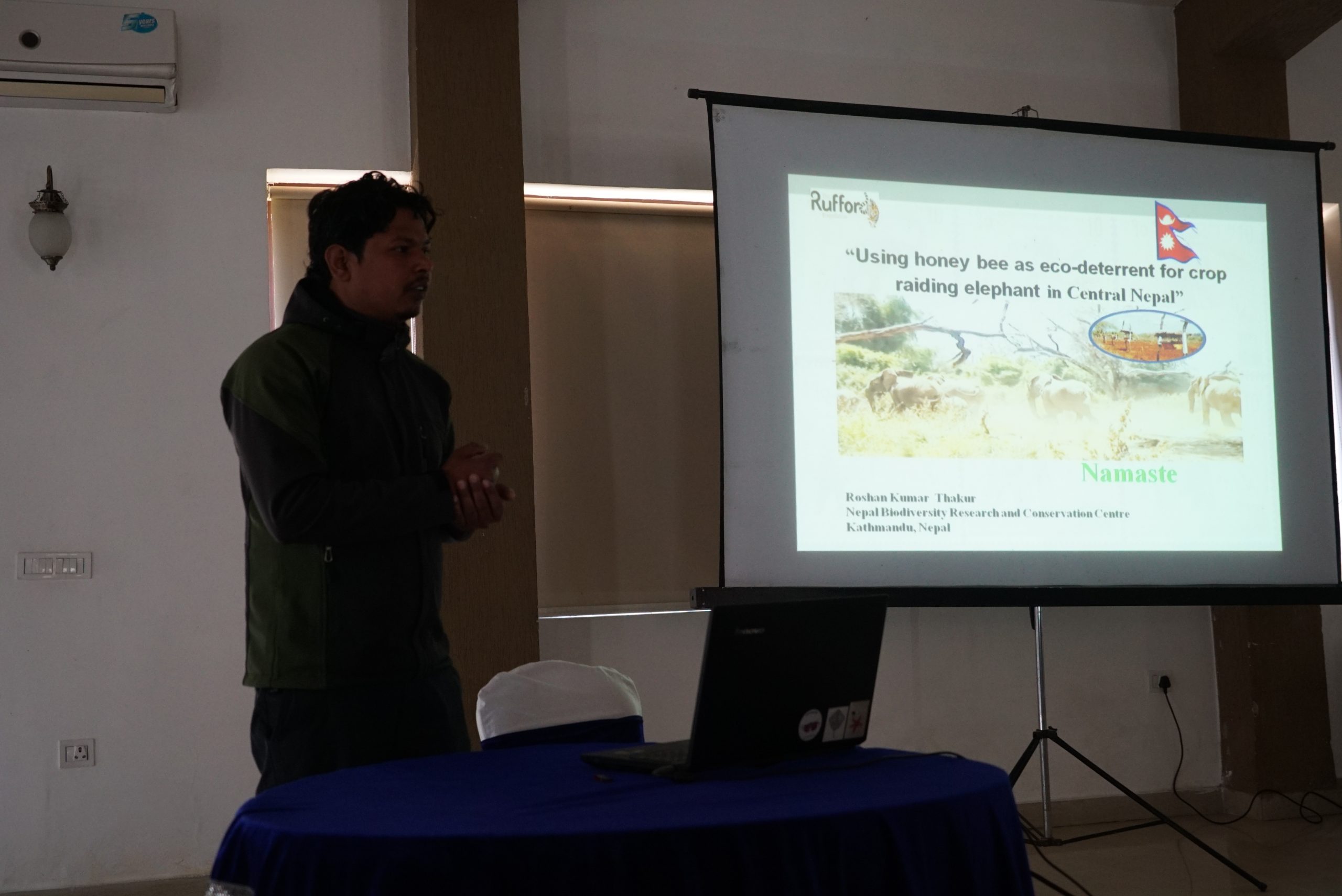
The beehive fence method is implemented in two places .One, encompassing the farmer’s house and another surrounding the farmlands with the area of about 1.5 hectares both being very prone to elephant raids annually. For the first time in Nepal, beehive fence project is led by Roshan Kumar Thakur, research officer of HEMS Nepal and partnered with NBrCc, and two fresh wildlife graduates Sonam Bhattarai and Kiron Paudel assisted in project activities.
With significant internship at Elephant and Bees Research Center Kenya, I got familiar with the bee as natural deterrent for crop raiding elephant (Lucy, 2007) in Nepal.
With the generous funding from Rufford Small Grant (www.rufford.org ) and continuous assistance from Lucy E King, this idea was tested for the first time in Nepal. The preliminary results have shown already positive impact.
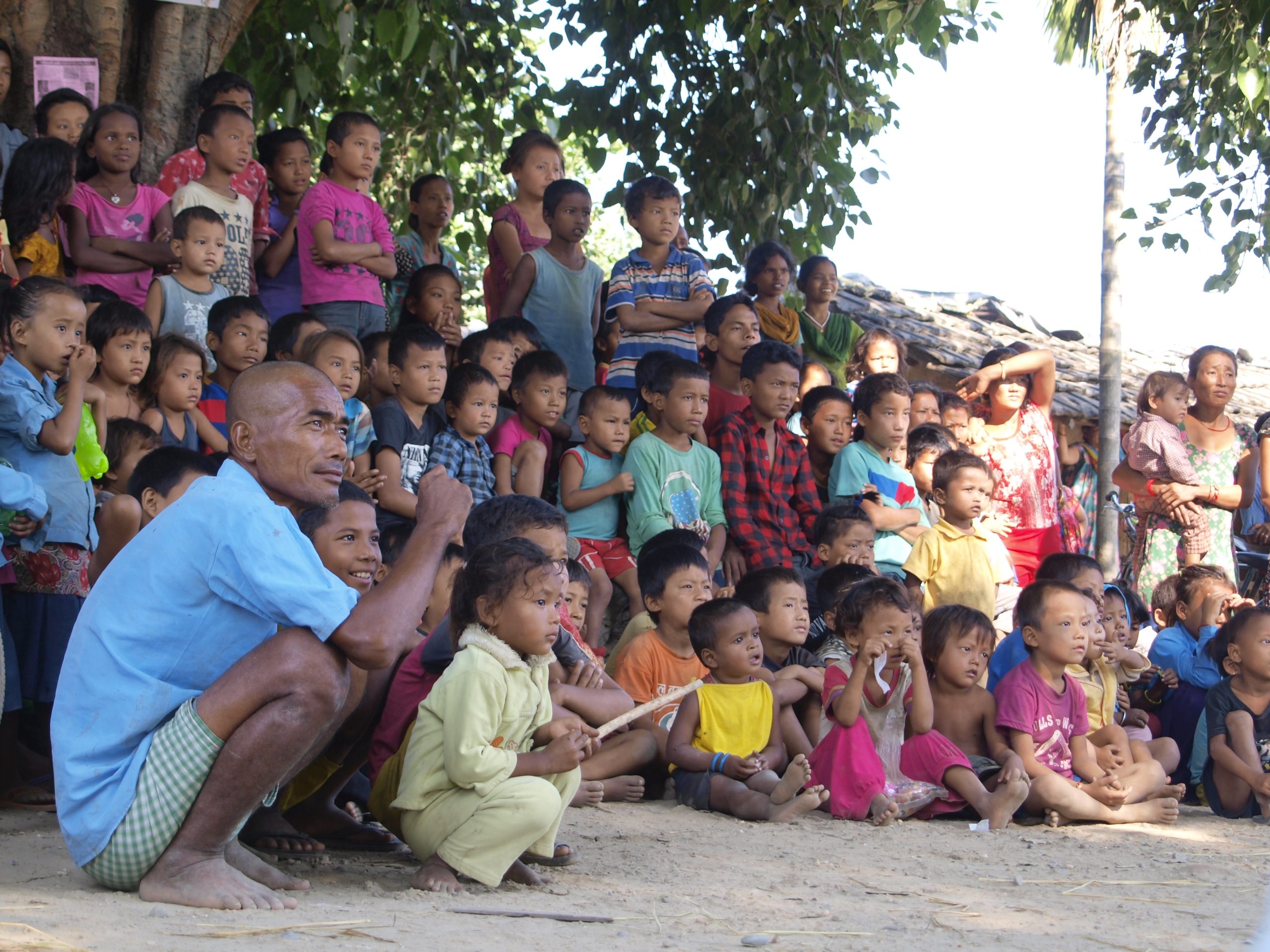
The community is very delighted to have bee guarding their crops from elephant and also they have an alternative source of income. In central Nepal, we are protecting 2 hectares farm at one site and one home at another site which has annual raids. The main aim of this project is to reduce Human- Elephant Conflict and add alternative income to the marginalized community. The community in previous years faced regular crop raid while this year they found hope. In 2018, the team is extending the beehive fence project in Bardiya (Western Nepal). Requests from different regions with high Human elephant conflict come to us and we are planning to expand as much as possible.
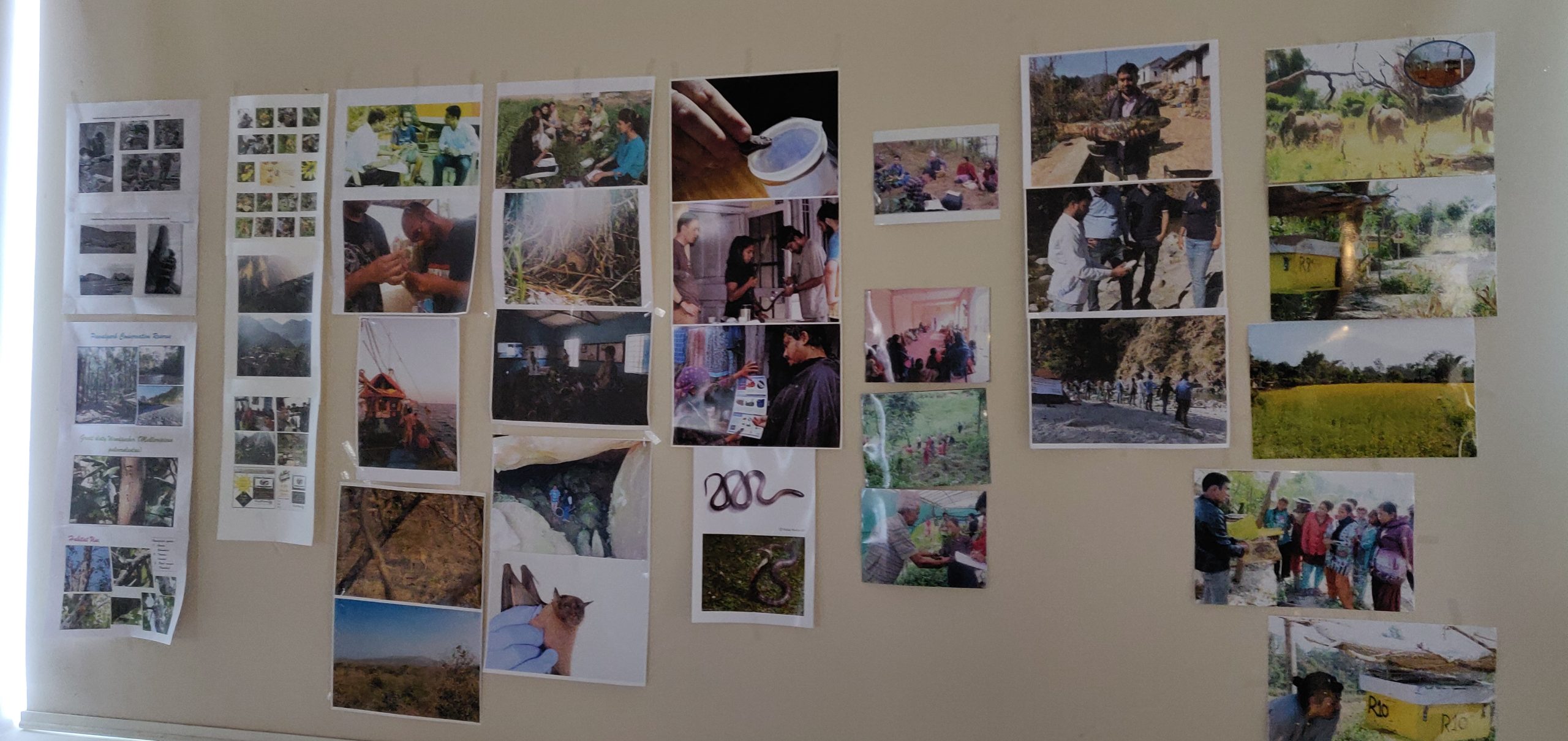
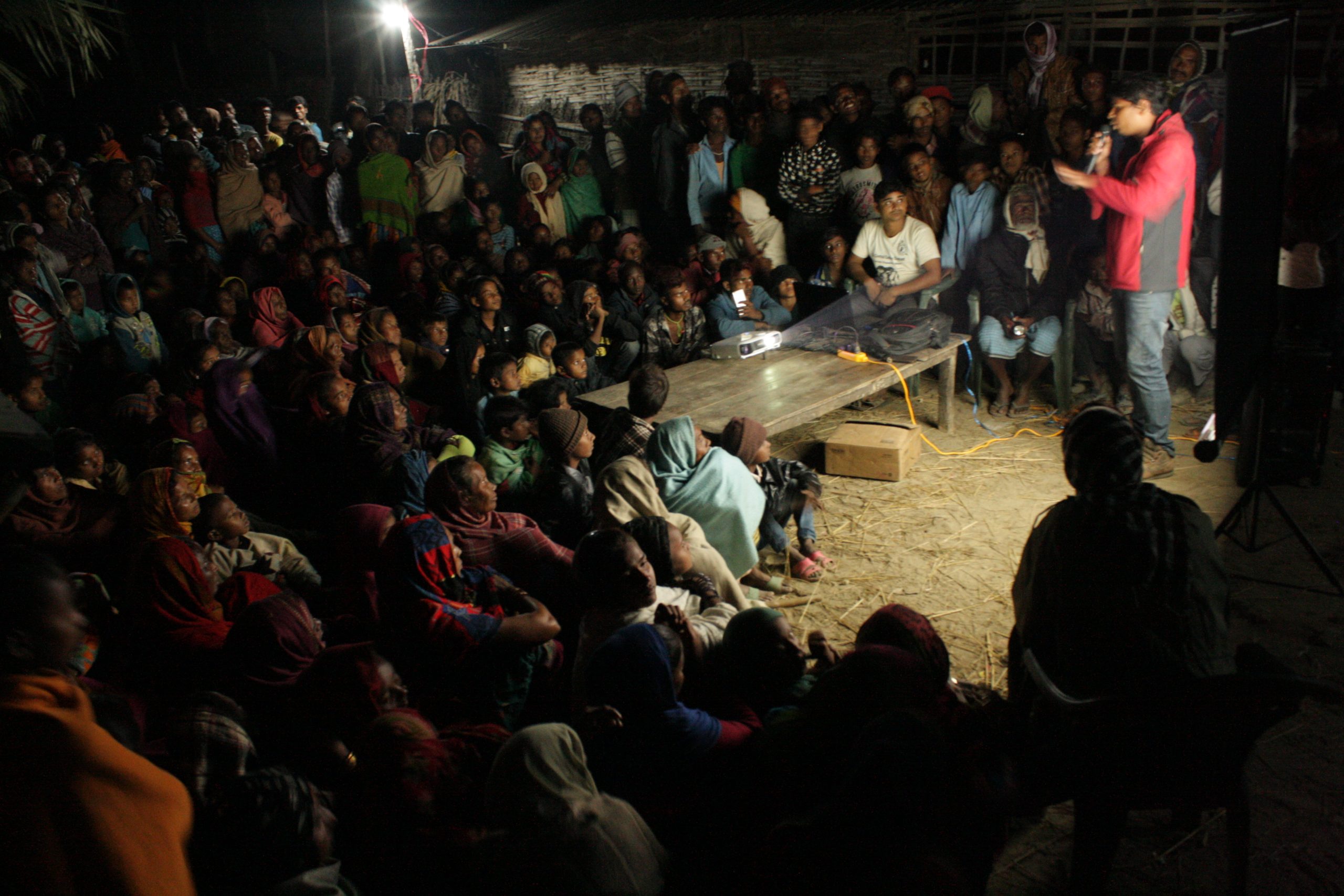
Firstly we did a preliminary meeting with the farmers to show how this concept worked. Then we conducted beekeeping training to the concerned farmers and then we build the bee hive fences. They were also made familiar with other benefits of beekeeping. From Fifteen beehive fence installed at farm, we harvested twice after installation and the quantity was 45kgs per harvest. The elephant friendly honey was consumed in local market which was added income to the farmers. The beehive fence project to save a home has also shown positive results. Out of two raids after the installation of beehive fence, elephant had not been able to raid the house. Previously, 4 sacks of rice were raided from the very house. Each year that house gets raided by elephant. Houses with bees were found not to be raided. Our both models showed positive results.
To support us in Nepal, please contact rosanthakur@gmail.com .